
Valtrex

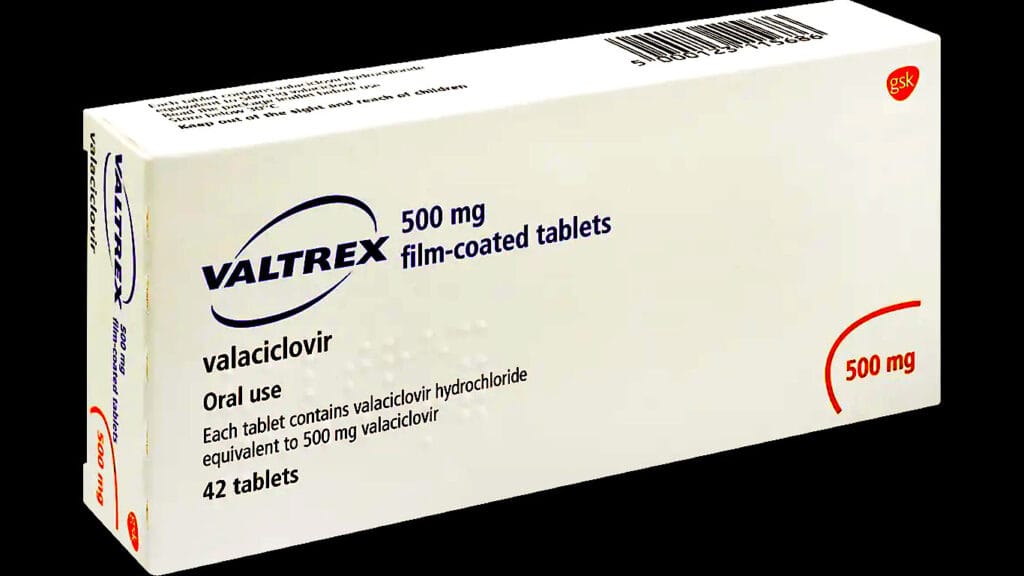
Valtrex (valaciclovir) is an antiviral medication used to treat and manage genital herpes, cold sores, shingles, and chickenpox. It works by inhibiting the herpes virus’s replication, reducing the duration of outbreaks and helping to prevent future occurrences.

Valtrex (valaciclovir) is an antiviral medication used to treat and manage genital herpes, cold sores, shingles, and chickenpox.
- Effective Treatment for Herpes Infections
 Prevents Future Outbreaks
- Reduces the Risk of Transmission
 Prevents Future Outbreaks
Table of Contents
Valtrex
Category: Genital Herpes Treatment
Frequently Asked Questions for Valtrex
What It Is
Valtrex is an antiviral drug used to treat herpes simplex virus (HSV) infections, including genital herpes, cold sores, shingles, and chickenpox. The active ingredient, valaciclovir, converts into aciclovir in the body, where it works to prevent the virus from replicating, speeding up recovery and reducing symptoms.
How It Works
Valtrex works by converting into aciclovir once inside the body. Aciclovir blocks the viral DNA polymerase enzyme, which the herpes virus needs to replicate. By inhibiting this enzyme, Valtrex helps prevent the virus from multiplying, reducing symptoms, and allowing the immune system to control the infection more effectively.
How It Is Used
- For genital herpes outbreaks: Take 500mg twice daily for 5 to 10 days.
Side Effects
Common side effects (may affect up to 1 in 10 people):
- Headache
- Nausea
- Stomach pain
- Dizziness
Uncommon side effects (may affect up to 1 in 100 people):
- Rash
- Vomiting
- Diarrhoea
- Fatigue
Serious side effects (may affect up to 1 in 1000 people):
- Severe allergic reactions (swelling of face, lips, tongue, or throat)
- Confusion or hallucinations
- Severe skin reactions (blistering or peeling)
- Kidney problems (reduced urine output or blood in urine)
If you experience any of these severe side effects, seek medical attention immediately.
Warnings and Precautions
- Allergy: Do not take Valtrex if you are allergic to valaciclovir or any of the other ingredients in the tablets.
- Kidney or Liver Conditions: If you have kidney or liver issues, inform your doctor before using Valtrex.
- Weakened Immune System: If you have a weakened immune system, consult your doctor before starting treatment.
- Pregnancy and Breastfeeding: Valtrex is not recommended during pregnancy or breastfeeding unless advised by your doctor.
- Hydration: Drink plenty of water while taking Valtrex to stay hydrated and protect your kidneys.
Always follow your doctor’s instructions carefully and do not exceed the prescribed dose.
YOU MAY ALSO LIKE



DEAL SUPPLEMENT R Alpha Lipoic Acid 600mg